

In the quiet expanse of Wisconsin towns, a new kind of growth is reshaping skylines and, for some residents, redefining daily life: megawatt-scale data centers sprawling near rural crossroads, cloaked in promises of jobs, tax revenue, and technological prestige. They are a thread in a broader national trend toward centralized, highly energy‑intensive infrastructure. But as developers trumpet shovel-ready sites and state incentives, residents worry about congestion, local governance, and long-term costs that don’t always appear on the glossy brochures.
What follows is the kind of reporting that seeks to let the consequences speak plainly: how these facilities—often described as anchors of a modern digital economy—arrive in small towns, how decisions get made, who benefits, and who bears the burden when the lights stay on through the long nights, and when storms knock them out of service.
A first question is how these projects win the local welcome. In several counties across Wisconsin, the promise is straightforward: a data center can diversify a tax base with limited footprint, create construction jobs, and anchor ancillary growth—think municipal power line upgrades, new fiber routes, and service jobs at the site’s periphery. The counties tout tax abatement plans and state incentives that help offset the enormous upfront costs. The pitch is difficult to resist for towns staring at aging infrastructure, dwindling enrollments in local schools, and a daunting need for capital for roads and public safety.
But the receipts don’t always balance neatly. In the days after announcements, town boards hold meetings in community rooms with folding chairs and a retired clock, while engineers bring yellow sheets of data—cooling loads, energy procurement, site drainage, and emergency response protocols. The conversation shifts quickly from “What will this bring?” to “What does it cost us when the grid buckles, when utility bills rise for residents, when traffic through Main Street doubles during slow hours?” In many small towns, the data center is a good neighbor on paper, a potential employer on a memo. In practice, it becomes a land-use decision, a security question, and, increasingly, a question about resilience in a warming climate.
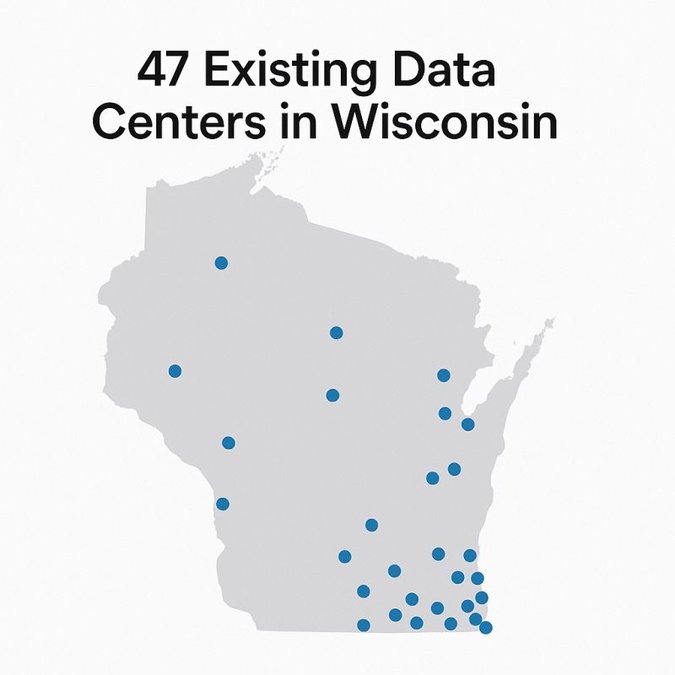
Wisconsin towns don’t need a skyline filled with glass towers to feel its future; they need predictable power, clear plans, and a voice at the table about what grows next to their front porches. Data centers can be a lifeline or a liability, depending on whether the benefits stay in the ledger or reach the living rooms.Mason Pearson
Consider the energy hunger of these sites. Modern data centers pull power at grid scale, and Wisconsin’s utility landscape—comprising a mix of municipal utilities, cooperatives, and investor-owned providers—maps unevenly to each project. Stakeholders phrase the issue in risk terms: how the project affects peak demand, how it interacts with the state’s renewable targets, and what contingencies exist if the regional grid faces stress during heat waves or ice storms. Local residents express concern about perceived inequities: why should a neighborhood shoulder higher electricity bills or more frequent outages to support a remote server farm that serves users thousands of miles away? The municipal angle—whether the center pays for upgrades that the town ultimately funds through taxes or ratepayers—frames much of the debate.
Then there are the practical downsides that become palpable outside the boardroom. The heat cycles created by thousands of servers demand robust cooling, which often translates into complex HVAC needs and concentrated mechanical footprints. Some Wisconsin towns with older drainage systems and historic districts worry about water runoff, noise from generators, and the sheen of new infrastructure threading along rural routes. Local residents describe late-night generator starts and the occasional audible hum that lingers near shuttered storefronts as an intrusion into otherwise quiet evenings. The question isn’t simply whether the site is loud, but how disruption is measured, mitigated, and reimbursed should it occur.
The governance question bears heavily on trust. In most cases, developers move through land-use approvals and environmental reviews, with the expectation that municipal leaders will shepherd the project through the bureaucratic gauntlet. But in practice, the process reveals a tension between speed and scrutiny. Some towns report that permits were expedited in exchange for incentives, while others recall required environmental impact studies that stretched into months. The cadence of decision-making matters: a community council weighing a critical zoning adjustment under time pressure may miss a nuanced argument about stormwater basins and culvert capacity. In some places, citizens have organized adjacencies—ad hoc committees, public comment sessions that attract dozens of residents no longer content to hear only “officials’ reports.”
Then there is the human angle: the people who live with the center every day. For families who have farmed the same land for generations, the shape of their property—its visibility, its access to fields, its proximity to a school bus route—matters beyond dollars and zoning categories. Some neighbors welcome the investment as a chance to keep land in productive use and to stabilize the property tax base. Others fear that the long-term risk profile—what happens if the center changes hands, or if a state-level policy pivots on tax incentives—outweighs short-term gains. In interviews across Wisconsin towns, residents reveal that their trust hinges on transparent communication: clear timelines, detailed impact assessments, and the assurance that if problems arise, the community will not be left to bear them alone.
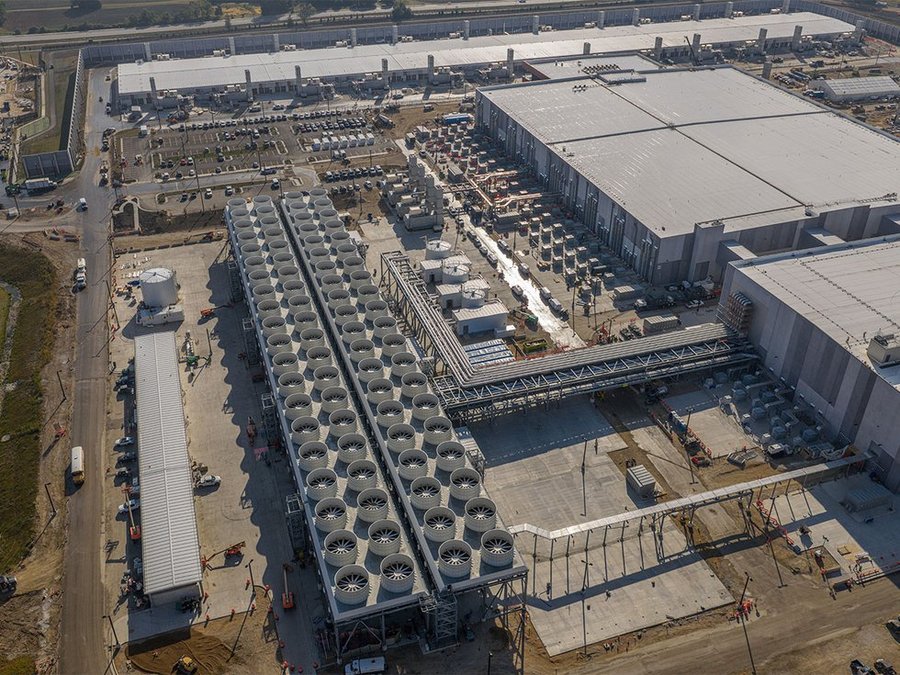
From a policy perspective, the economic calculus remains contested. Proponents argue that data centers bring predictable tax revenue, high-skilled construction jobs, and a ripple effect: local vendors winning service contracts, broadband improvements, and improved electrical infrastructure that could attract other high-tech ventures. Critics counter that the benefits are concentrated in a few hands—developers, contractors, sometimes a regional service firm—while the broader taxpayer base shoulders long-run costs. They point to the risk of “property value drag” in the vicinity, where heavy infrastructure depresses nearby property markets, or where a future relocation of the center alters the town’s economic trajectory with little notice.
The most sobering dimension, perhaps, is the scarcity of long-range planning tools that communities rely on when they approve megascale projects. Wisconsin towns vary widely in their capacity to forecast utility loads, plan for grid resilience, and budget for potential contingencies. Data centers thrive on predictability and scale—two traits that complicate small-town governance, which often has to improvise with limited staff, a short-term fiscal horizon, and a public accountability standard that demands clarity in times of crisis.
What would better journalism demand here? It would demand that state and regional authorities publish open, accessible dashboards detailing energy use, tax incentives, and infrastructure upgrades tied to data-center projects. It would require developers to share precise site plans that encompass traffic management, drainage, noise mitigation, and emergency response measures. It would demand ongoing, accessible reporting to the public about whether promised community benefits materialize and whether the local tax base grows as projected. And it would insist on listening sessions that aren’t just box-checking exercises but spaces where residents can articulate fears, expectations, and their own visions for what the town could become with such a facility nearby.
In Wisconsin towns, the arrival of a data center is not merely a headline about a building or a contract. It is a test of local governance, of civic trust, and of the shared belief that growth can be steered toward human-scale outcomes. The consequences—whether a town gains a steadier revenue stream or becomes a battleground over energy costs and land use—will shape generations. The most important thing a responsible report can do is bear witness: to measure what happens, what changes, and who feels the changes most acutely, so that policy, not politics, can guide the next steps.