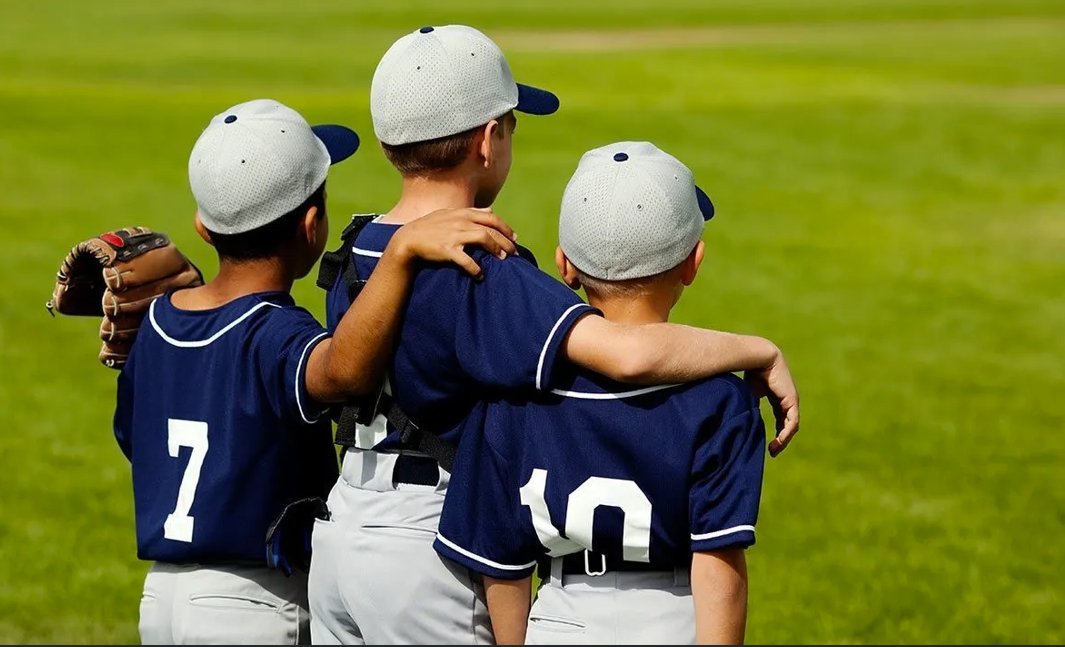
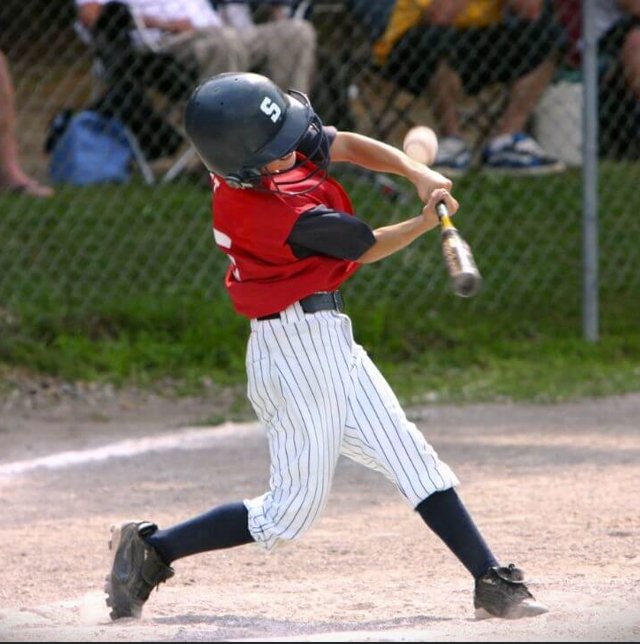
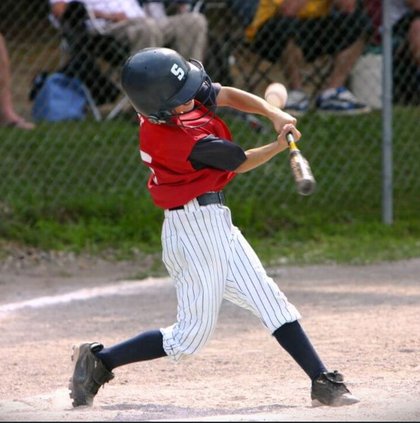
On any given spring evening across America, the crack of a bat echoes across small-town ballparks, city rec fields, and schoolyards. The players are small—helmets slightly oversized, uniforms a bit baggy—but the game they play is anything but insignificant. Peewee baseball, often overlooked in favor of high school rivalries or professional highlights, is where the heart of the sport truly lives.
At first glance, peewee baseball might seem chaotic. Kids chase ground balls in clusters, miss routine catches, and swing at pitches that barely make it across the plate. Scorekeeping can be questionable, innings can drag, and attention spans come and go like the wind. But look closer, and you’ll see something far more important than polished performance—you’ll see growth, resilience, and the beginnings of character.
The First Taste of Competition
For many children, peewee baseball is their first introduction to structured competition. Unlike backyard games or playground activities, there are rules, umpires, and a defined outcome. Learning how to win gracefully and lose with dignity becomes just as important as learning how to hit a fastball.
The stakes may seem small, but to an eight-year-old stepping up to the plate with the bases loaded, it feels like the World Series. That pressure—real to them—is where mental toughness begins to form. They learn quickly that success doesn’t always come easy, and failure is part of the process.
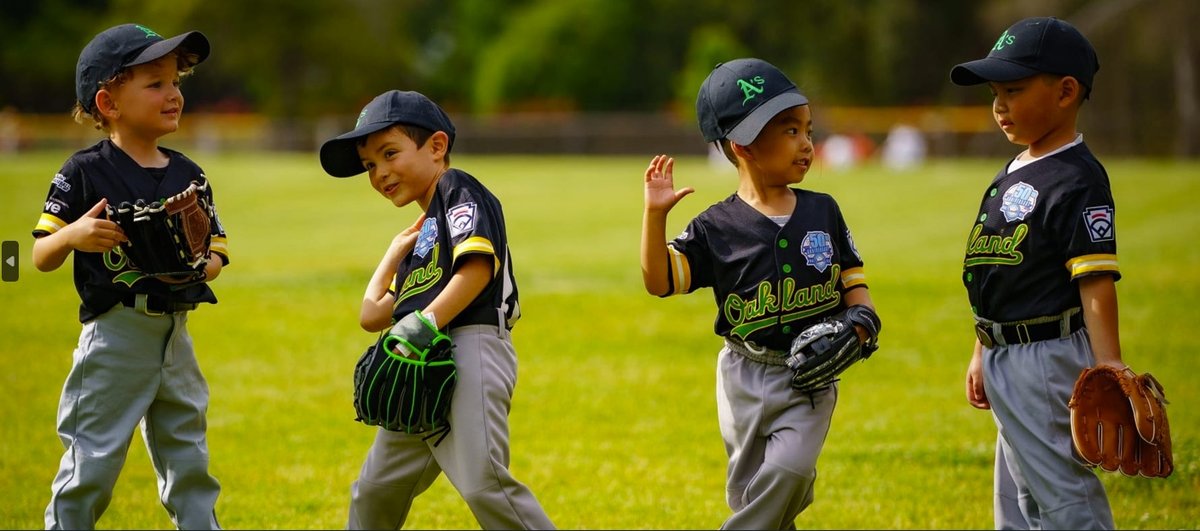
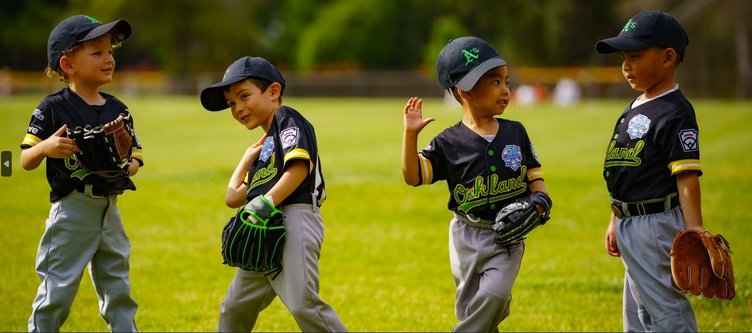
And failure comes often.
Strikeouts, missed catches, and overthrown balls are part of nearly every game. But instead of discouraging players, peewee baseball provides a safe environment to experience setbacks and try again. That repetition builds confidence, even when results don’t immediately follow.
Good coaches understand that development matters more than wins.
Coaching Beyond the Game
The role of a peewee baseball coach goes far beyond teaching mechanics. These coaches—often volunteers, parents, or community members—become mentors. They are responsible not only for teaching how to throw a curveball or field a grounder, but also how to listen, respect teammates, and handle adversity.
Good coaches understand that development matters more than wins. They rotate positions so every child gets a chance, emphasize effort over outcome, and create an environment where mistakes are expected and accepted.
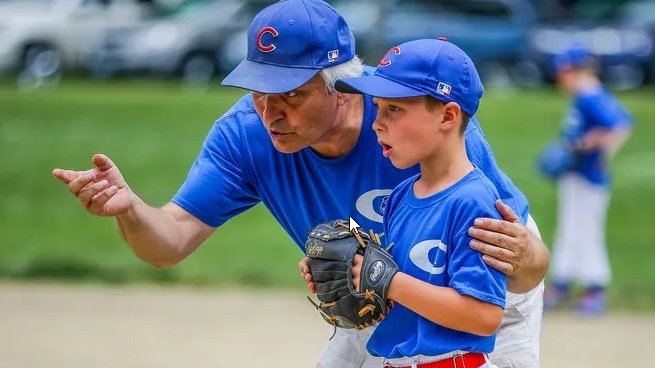
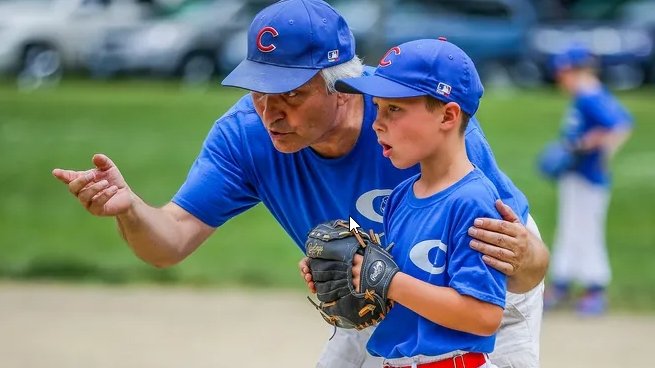
It’s not uncommon to see a coach kneeling beside a player after an error, offering encouragement instead of criticism. That moment, more than any home run or double play, defines the experience. It teaches kids that their value isn’t tied to performance alone.
Parents in the Stands
No discussion of peewee baseball is complete without mentioning the parents. They line the fences, fill the bleachers, and bring folding chairs when seating runs out. Some cheer every play with unwavering enthusiasm, while others struggle to keep their competitive instincts in check.
At its best, parental involvement adds energy and support. Kids glance toward the stands after a hit, searching for familiar faces, feeding off the encouragement. At its worst, however, it can introduce pressure that overshadows the fun.
The balance is delicate. The most successful peewee environments are those where parents remember the purpose: development, enjoyment, and growth—not scholarships or future contracts.
The Importance of Teamwork
Unlike individual sports, baseball requires coordination and trust among teammates. Even at the peewee level, players begin to understand that success depends on everyone doing their part.
The shortstop relies on the first baseman to catch a throw. The pitcher trusts the outfielders to track fly balls. The batter depends on teammates to get on base and create opportunities. These connections foster a sense of belonging that goes beyond the game itself.
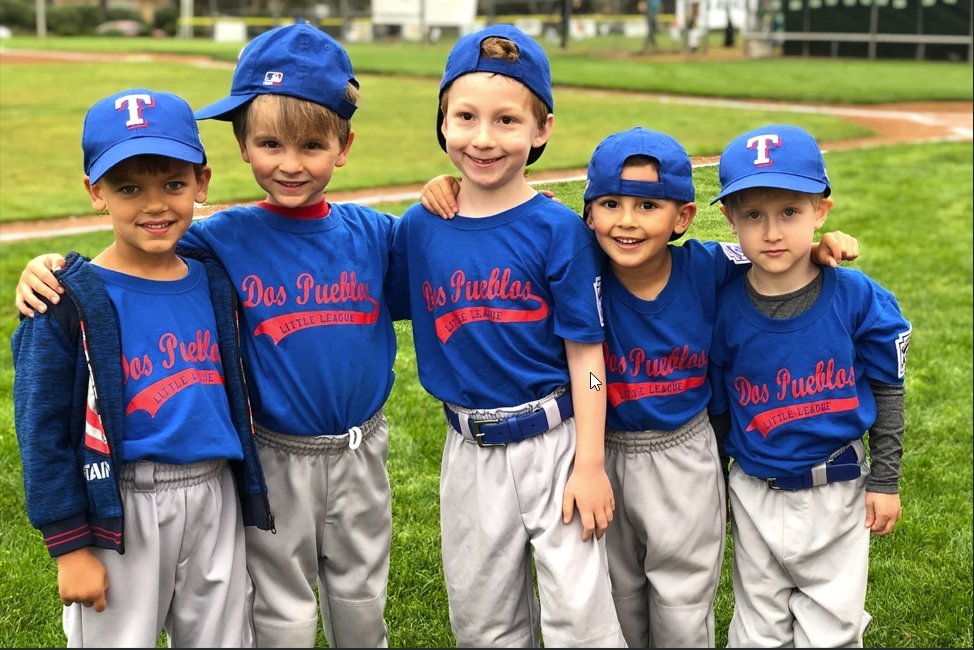
For many kids, their teammates become close friends. Practices and games turn into social events, and the dugout becomes a place of shared experiences—laughter, frustration, and celebration all mixed together.
Small Moments, Big Impact
The beauty of peewee baseball lies in its small moments.
A player who finally connects with the ball after weeks of swinging and missing. A shy child who finds their voice, calling for a fly ball. A team that rallies together after falling behind, not because they expect to win, but because they’ve learned not to quit.
These moments rarely make headlines, but they matter. They build confidence, teach perseverance, and create memories that last far longer than any scoreboard result.
Yes, peewee baseball teaches the fundamentals of the sport: hitting, throwing, catching, and base running. But the lessons extend well beyond the diamond.- Coach Maxwell, Cubs Pee Wee HC
Learning the Fundamentals—On and Off the Field
Kids learn time management by showing up for practices and games. They learn accountability when they forget their glove or miss a play. They learn communication by interacting with coaches and teammates.
Perhaps most importantly, they learn how to be part of something bigger than themselves.
The Role of Community
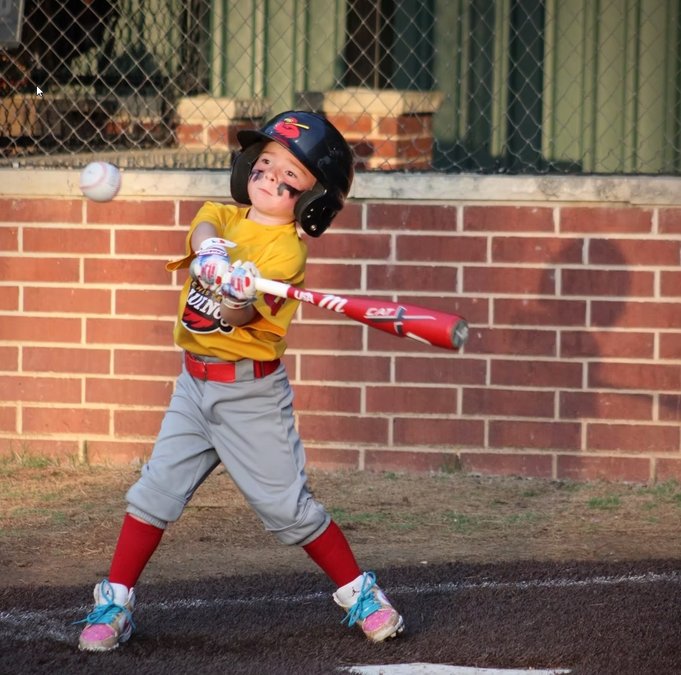
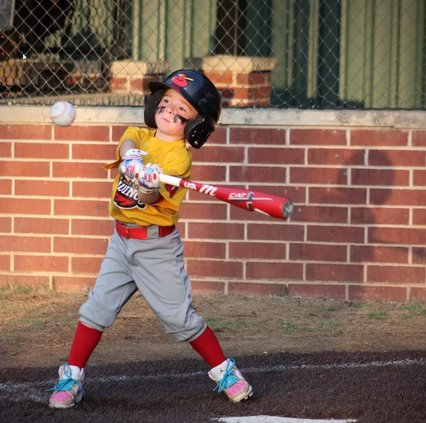
Peewee baseball is often a reflection of the community it represents. Local businesses sponsor teams, volunteers maintain fields, and families come together to support young athletes.
These leagues create a sense of unity. On game nights, neighbors gather, friendships form, and the field becomes a hub of activity. It’s a reminder that sports, at their core, are about bringing people together.
In a world increasingly dominated by screens and digital interaction, peewee baseball offers something refreshingly tangible. It’s dirt on cleats, grass stains on uniforms, and the unmistakable smell of a summer evening.
Not About the Future—About the Present
There’s a growing tendency in youth sports to focus on long-term potential. Parents and coaches sometimes view peewee baseball as the first step toward high school teams, college scholarships, or even professional careers.
But the reality is simple: most of these kids won’t play beyond their early teens. And that’s perfectly okay.
Peewee baseball isn’t about creating the next superstar. It’s about creating well-rounded individuals who understand teamwork, resilience, and effort. The lessons learned here apply far beyond the sport.
Why It Still Matters
In an era of specialization and high-stakes youth athletics, peewee baseball remains one of the few spaces where kids can simply play. The emphasis is still on participation, enjoyment, and learning.
It’s not perfect. Games run long, mistakes are frequent, and organization can sometimes be lacking. But those imperfections are part of its charm. They make the experience authentic and accessible.
At its best, peewee baseball reminds us why sports exist in the first place—not for fame or profit, but for growth, connection, and joy.
Final Inning
As the sun sets behind the outfield fence and the final outs are recorded, players line up to shake hands. Some are smiling, others are disappointed, but all have shared the experience.
They gather their gear, chase siblings around the field, and head home with dirt on their uniforms and stories to tell.
Tomorrow, they’ll come back and do it all again.
Because in peewee baseball, the game never really ends—it just keeps shaping the players, one inning at a time.